8 BMW Maintenance And Repair Clues Hidden In Warning Lights And Fluid Leaks
BMWs are good at hiding early problems. The car may still feel sharp, quiet, and comfortable while a small leak forms under a cover or a warning light appears for a system that seems unrelated to how the vehicle drives.
That is why the small clues deserve attention.
Warning lights and fluid leaks are not random annoyances. They are often early signs that something in the engine, cooling system, brakes, transmission, suspension, or electrical system needs to be checked before the repair grows.
1. Check Engine Light
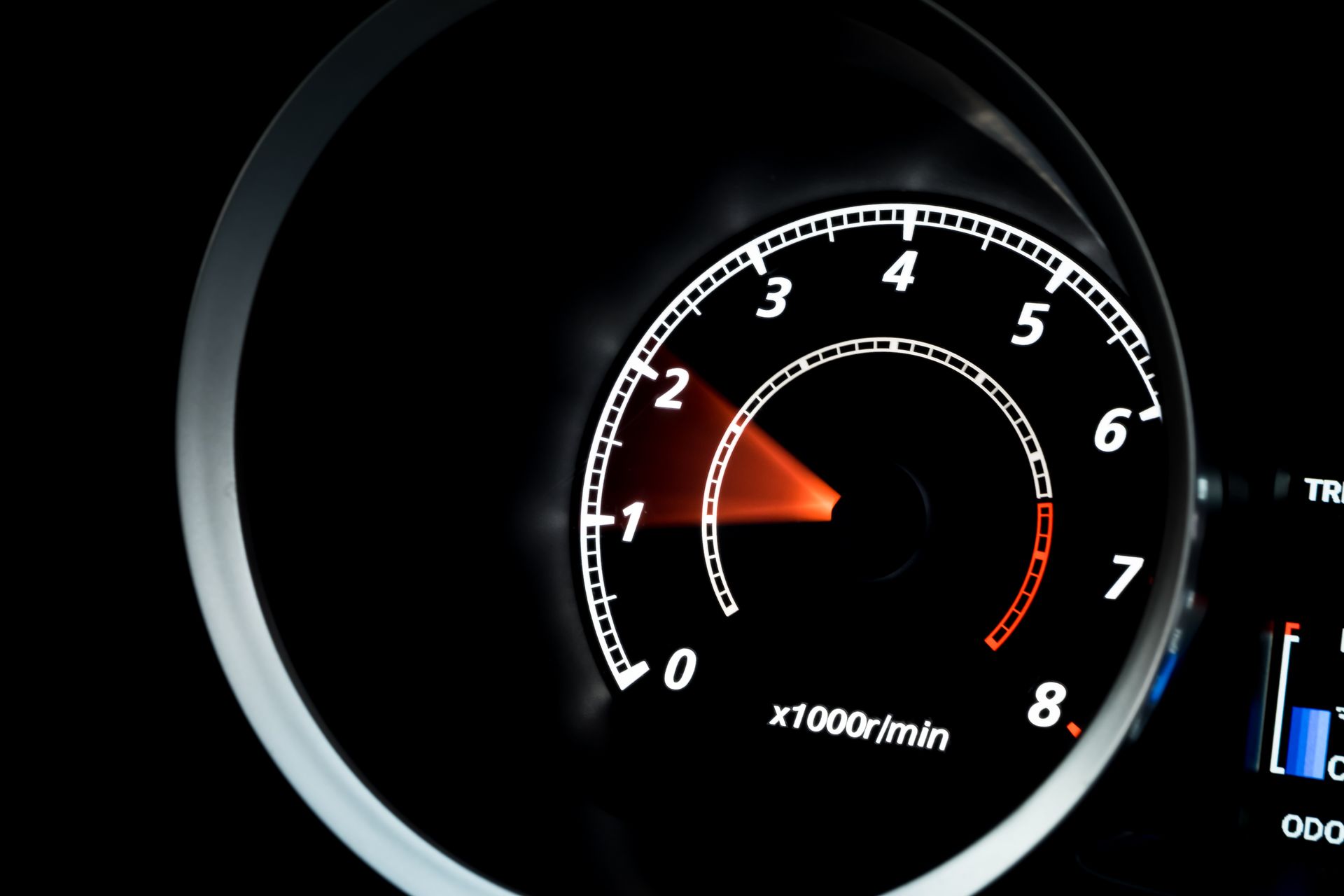
A BMW check engine light can come from many systems. It may involve ignition, fuel control, airflow, emissions, sensors, vacuum leaks, or engine temperature.
The car may still drive normally at first. That does not mean the light should be ignored. A small misfire, slow oxygen sensor, boost leak, or fuel trim problem can affect performance and emissions before the driver feels a major change.
If the check engine light flashes, the warning is more urgent. A flashing light often indicates an active misfire that can damage the catalytic converter if the car is driven hard.
2. Oil Level Warning
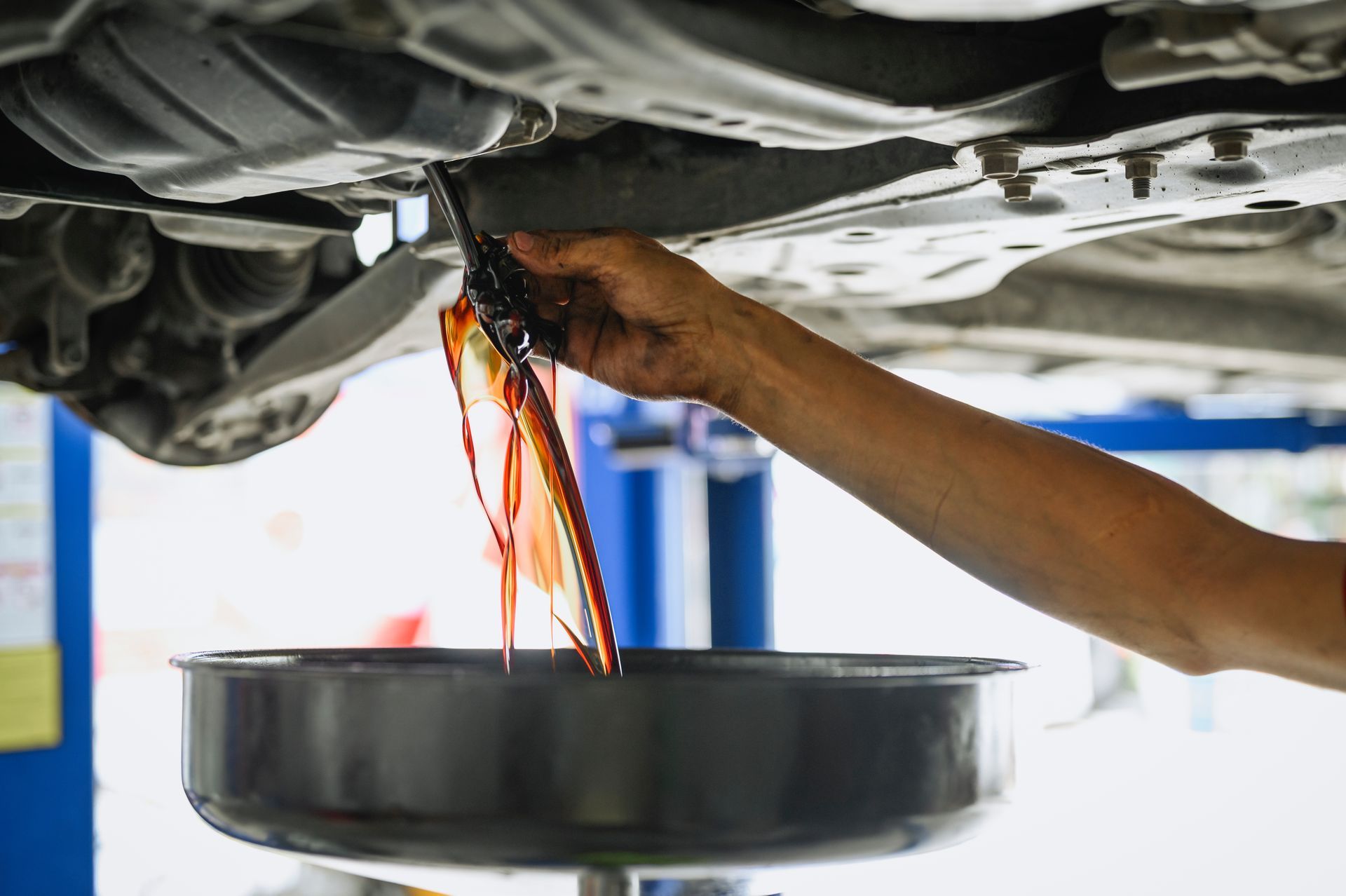
Many BMW models monitor oil level electronically. If the vehicle shows an oil level warning, do not assume it only needs a quick top-off. The engine may be using oil, leaking oil, or experiencing a sensor issue.
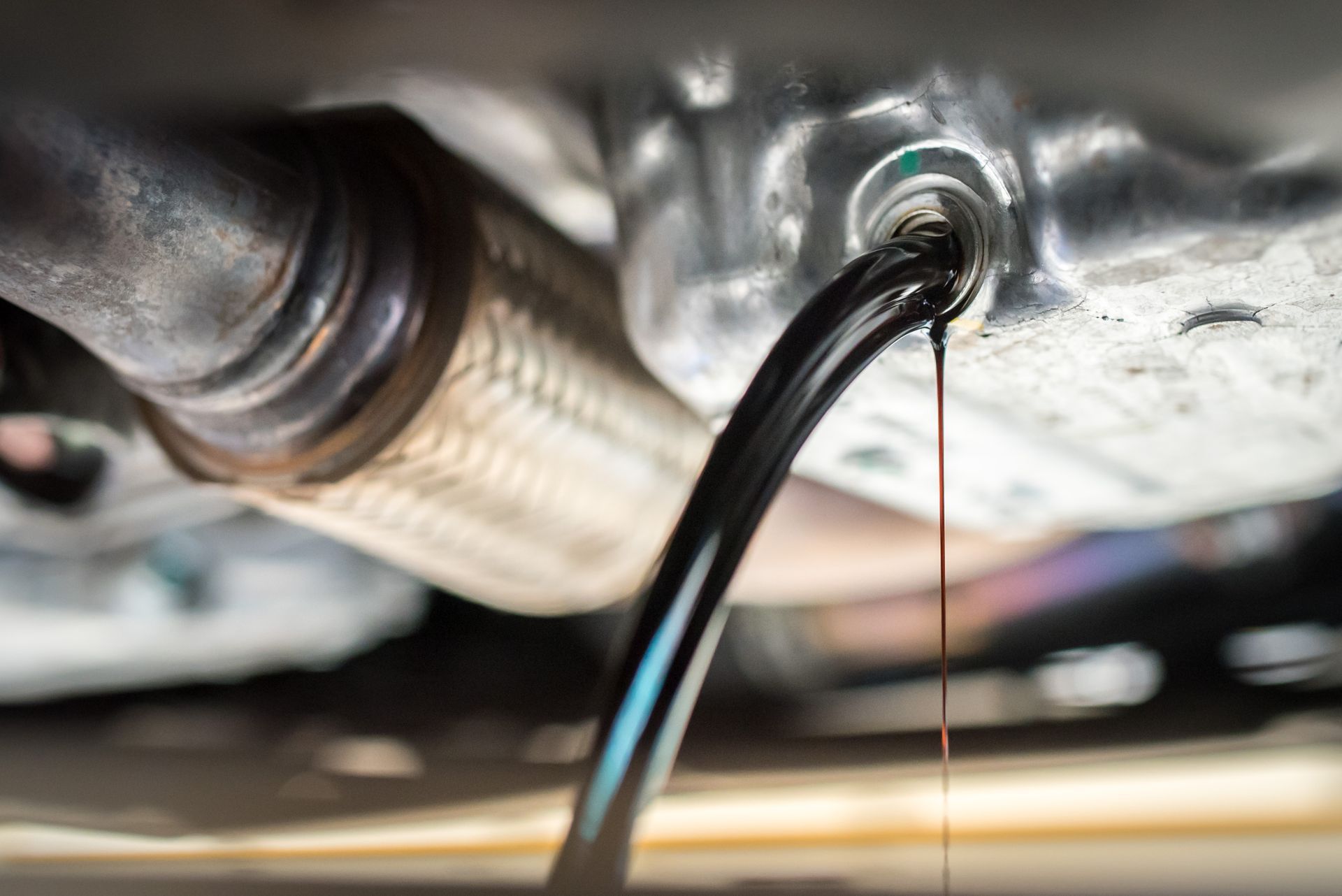
Oil leaks can come from valve cover gaskets, oil filter housing gaskets, oil pan gaskets, turbo oil lines, or seals. Some leaks never leave a clean puddle because oil can collect on underbody panels or burn off on hot parts.
A burnt-oil smell after parking is worth mentioning during service. It can help a technician trace the leak faster.
3. Coolant Warning
A coolant warning should not be treated as normal BMW behavior. Coolant loss indicates the system is leaking, overheating, not holding pressure, or experiencing another fault.
BMW cooling systems can include plastic fittings, expansion tanks, electric water pumps, thermostats, hoses, radiators, and sensors. Small leaks may dry before they hit the ground, leaving crusty residue or a faint sweet smell.
If the coolant level keeps dropping, repeated top-offs won't solve the problem. The system needs an inspection before overheating turns a cooling repair into engine damage.
4. Brake Warning Light
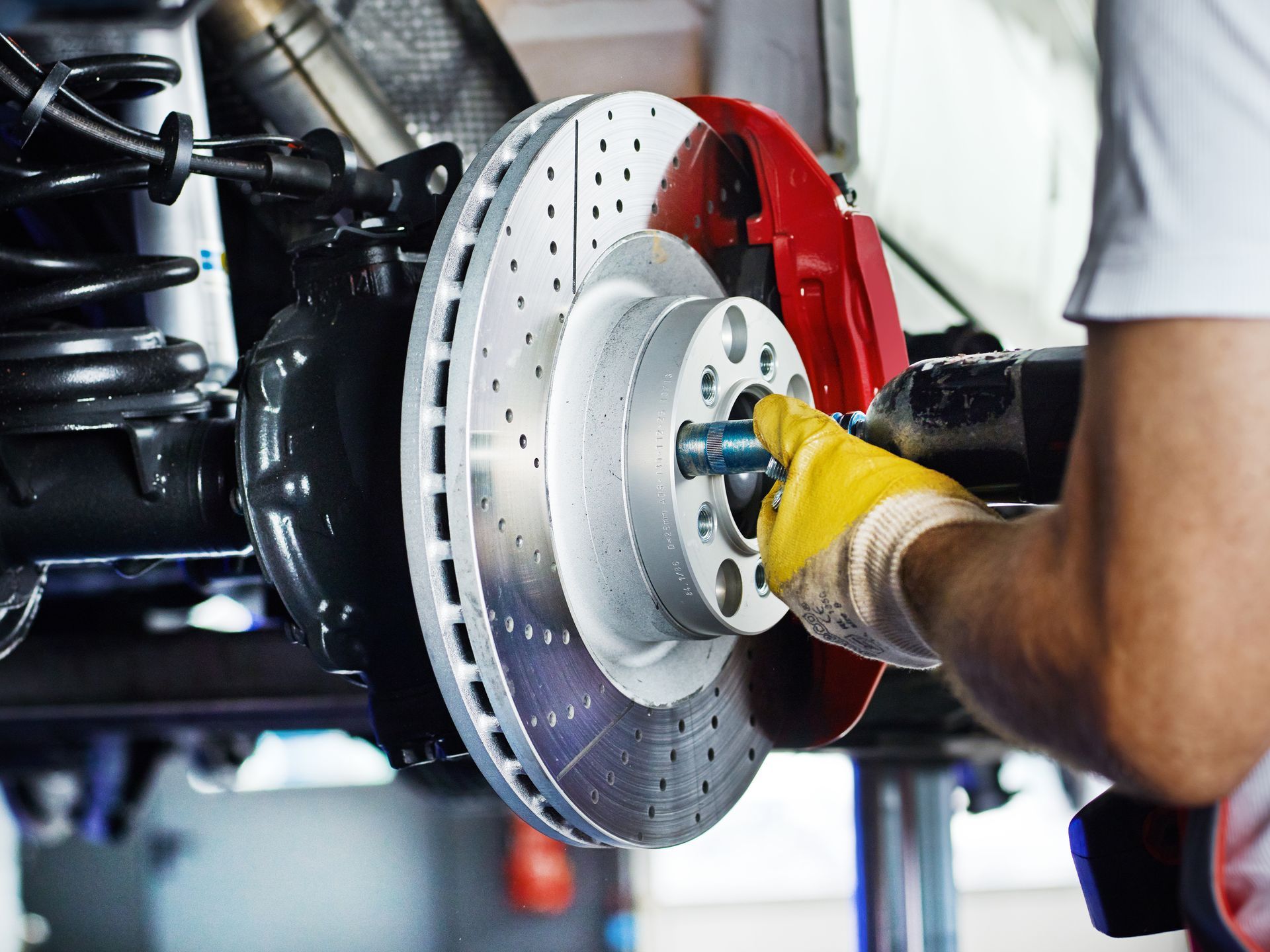
A brake warning light can mean several things depending on the model and message. It may point to worn brake pads, low brake fluid, parking brake issues, ABS faults, or sensor problems.
BMW brake pad wear sensors can alert the driver when pads are getting low. That warning is helpful because it gives you a chance to service the brakes before the pads damage the rotors.
Low brake fluid is more serious. Brake fluid does not get used up like fuel. If the level is low, the pads may be worn, or there may be a leak in the hydraulic system.
5. Transmission Fluid Leaks
Transmission fluid leaks should be checked quickly, especially on vehicles with automatic transmissions. A small seep can become a shift concern if the fluid level drops too far.
Drivers may notice delayed engagement, harsh shifts, shuddering, slipping, or warning messages. Fluid leaks can come from the transmission pan, sleeve seals, cooler lines, or other sealing areas.
BMW transmission service needs the correct fluid and procedure. The fill level can be temperature-sensitive on many models, so it should not be handled like a casual drain and fill.
6. Power Steering Or Suspension Fluid Leaks
Some BMW models use hydraulic power steering or specialized suspension systems. Leaks in these systems may manifest as wet hoses, low fluid levels, whining noises, heavy steering, or changes in ride height.
A small hydraulic leak can spread across nearby parts and make the source hard to find. It can also damage rubber components if ignored.
Signs to mention during service include:
- Steering feels heavier than normal
- Whining noise when turning
- Wet areas near hoses or reservoirs
- The vehicle sits lower on one corner
- Fluid spots after parking
These clues help narrow down whether the leak is steering, suspension, engine oil, or another fluid.
7. Battery And Charging Warnings
BMW electrical systems depend on stable voltage. A weak battery, alternator problem, bad ground, or poor connection can create warnings that seem unrelated.
You may see battery discharge messages, starting problems, dim lights, random alerts, or comfort features that stop working correctly. On many BMW models, battery replacement may also require registration so the vehicle charges the new battery properly.
Ignoring battery warnings can create confusing diagnostic problems later. A low-voltage issue can make several healthy systems look faulty.
8. Warning Lights After Fluid Leaks
Fluid leaks and warning lights often connect. An oil leak can lower the level enough to trigger a message. A coolant leak can lead to temperature warnings. A brake fluid leak can change the pedal feel. A transmission leak can create shifting faults.
The warning light is not always the first problem. It may be the vehicle reacting to the leak after the level, pressure, or temperature has already changed.
Regular maintenance helps catch leaks before warning lights become part of the story. A careful inspection can show whether the fluid is fresh, where it starts, and whether nearby parts have been affected.
Get BMW Maintenance And Repair In Easton, PA, With Integrated Automotive Services
If your BMW has warning lights, fluid leaks, strange smells, shifting changes, brake messages, or electrical warnings, Integrated Automotive Services in Easton, PA, can inspect the vehicle and explain what needs attention.