Oil Change Service Explained: More Than Just Replacing Oil
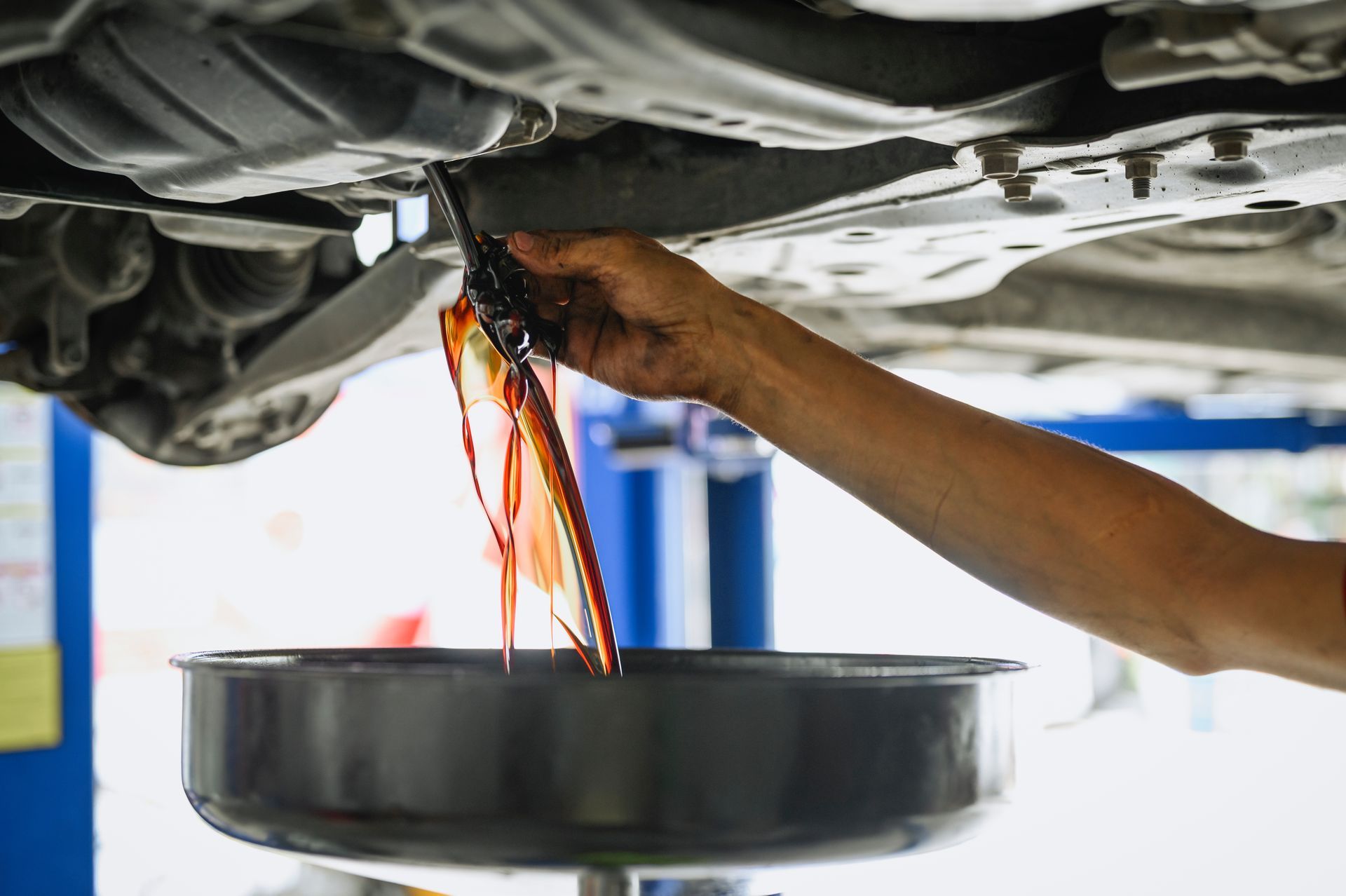
An oil change may sound like one of the simplest services a vehicle receives. The old oil is drained, a new filter is installed, and fresh oil is added. That work is essential, but a professional oil change visit should involve more than replacing two basic items.
The appointment also allows a technician to check fluid levels, look for leaks, review tire condition, and identify visible wear before it creates a breakdown. These checks are especially valuable because many developing problems do not trigger a warning light or cause an obvious driving symptom.
Why Fresh Oil Is So Important
Engine oil forms a protective layer between moving components such as bearings, camshafts, pistons, and timing parts. It also carries heat away from high-friction areas and holds small amounts of soot, moisture, and debris in suspension until the filter can capture them.
Heat and combustion gradually weaken the oil’s additives. The oil can become contaminated, oxidized, or too thick to circulate as intended. Delaying service may contribute to sludge, restricted oil passages, timing system trouble, and accelerated internal wear. Fresh oil restores the lubrication and protection required by the engine.
The Oil Filter Is Replaced Too
The oil filter removes harmful particles as oil circulates through the engine. Over time, the filter collects enough contamination that flow can become restricted. Many filters include a bypass valve that allows oil to keep moving when the filter is clogged, but bypassed oil may circulate without being fully filtered.
Installing a quality filter with the correct design is important. The wrong filter may have improper flow characteristics, sealing dimensions, or internal valve settings. During installation, the technician should clean the mounting surface, confirm the old gasket was removed, and tighten the new filter correctly to reduce the risk of a leak.
The Correct Oil Specification Is Confirmed
Engine oil is not selected by viscosity alone. Two products labeled 5W-30 may carry different manufacturer approvals and additive packages. Modern engines may require oil designed to protect turbochargers, timing chains, variable valve timing components, emissions systems, or fuel-saving technologies.
A technician should confirm the required viscosity, specification, and oil capacity for the exact engine. Too little oil can cause pressure loss, while overfilling may create aeration, leaks, or crankshaft resistance. The final level should be checked after the engine has run and the oil has had time to settle.
Fluid Levels Receive A Basic Check
An oil change visit often includes checking other accessible fluids. Low levels can indicate normal wear, previous service needs, or an active leak that requires further evaluation.
- Engine coolant
- Brake fluid
- Transmission fluid where accessible
- Power steering fluid where equipped
- Windshield washer fluid
- Clutch fluid on applicable vehicles
A fluid should not be topped off without considering why it is low. Coolant and brake fluid do not normally disappear without a reason. Repeated fluid loss may point to a leaking hose, seal, gasket, hydraulic component, or internal engine concern.
Leaks And Visible Wear Can Be Spotted Early
With the vehicle raised, the technician can look for oil around the drain plug, filter housing, oil pan, valve covers, timing cover, and engine seals. Residue does not always mean an active leak, but fresh wetness, dripping, or oil reaching hot exhaust parts deserves attention.
The same view may reveal damaged splash shields, loose exhaust parts, cracked boots, worn suspension bushings, or fluid around the transmission and steering system. An oil change is not a complete vehicle inspection, but it creates a useful chance to identify visible concerns that could otherwise remain unnoticed.
Tires And Brakes May Be Reviewed
Tire pressure and tread condition affect fuel use, braking, handling, and tire life. During the visit, the shop may check for low pressure, uneven shoulder wear, cupping, sidewall damage, or objects embedded in the tread. Uneven patterns can indicate alignment trouble, worn suspension parts, or missed rotations.
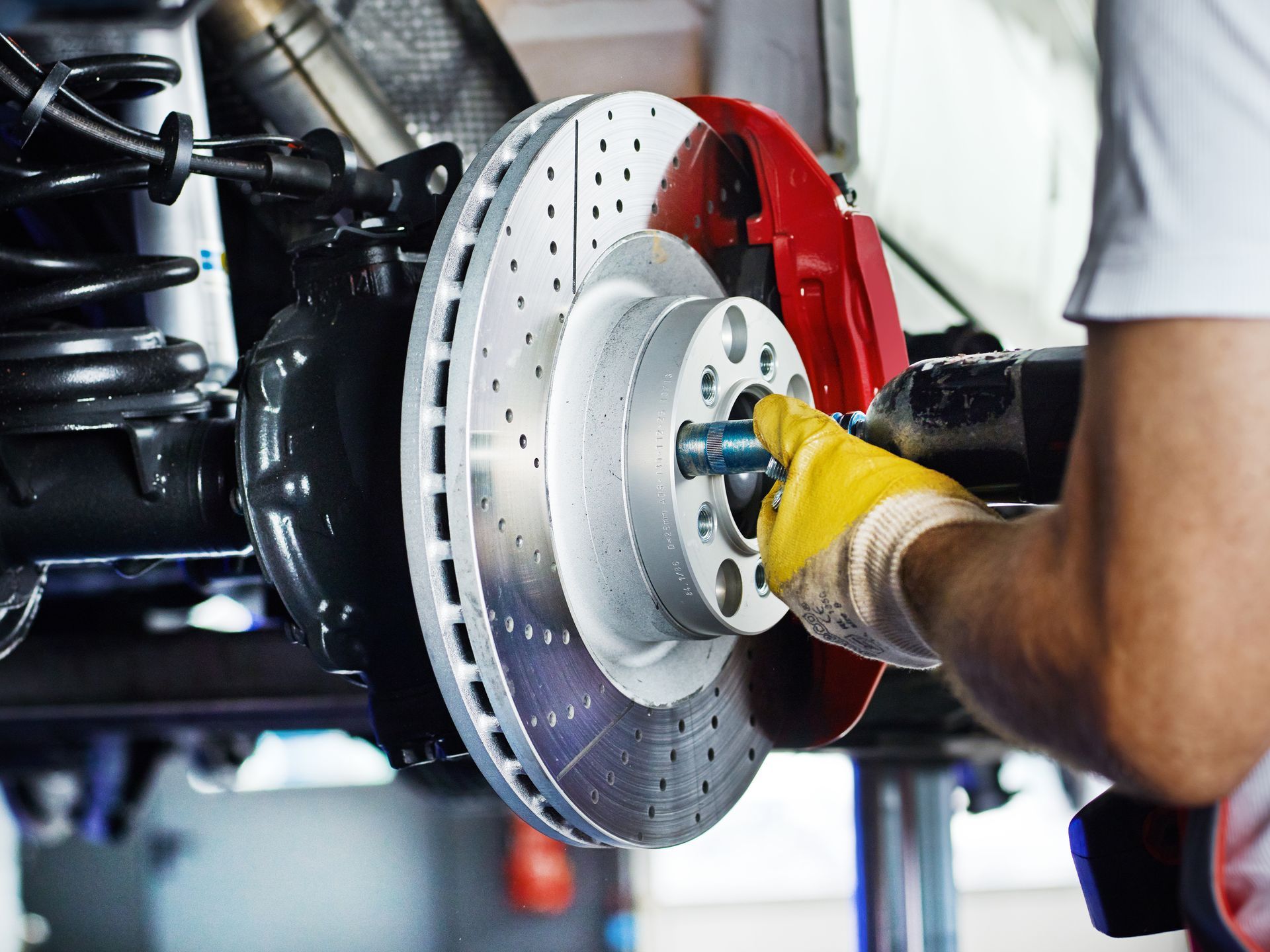
When wheel and brake areas are visible, the technician may also notice thin brake pads, rotor damage, leaking calipers, or unusually heavy brake dust on one wheel. A more detailed brake evaluation may still require removing the wheels, but early signs can help the driver schedule service before grinding or pulling begins.
Service Reminders And Records Are Updated
Many vehicles use an oil-life monitoring system rather than a fixed mileage reminder. After service, the monitor should be reset using the correct procedure. Resetting it without performing the oil change can make future maintenance timing inaccurate.
The visit should also be recorded with the date, mileage, viscosity, oil specification, and filter information. Clear records help prevent missed or repeated work and support future diagnostic decisions. They also show whether the vehicle has received regular maintenance if an engine concern or warranty question develops later.
What An Oil Change Cannot Fix
Fresh oil can improve lubrication, but it cannot repair mechanical damage. It will not correct worn bearings, a failing oil pump, damaged piston rings, a stretched timing chain, or an active coolant leak. It also cannot restore oil pressure when excessive internal clearance is the underlying cause.
Warning lights, knocking, heavy smoke, rapid oil consumption, or repeated low levels require diagnosis beyond a routine service. Adding thicker oil or pouring in an additive may hide a symptom briefly without correcting the failed part. Testing allows the shop to recommend the proper next step.
Get Oil Change Service In Easton, PA, With Integrated Automotive Services
Integrated Automotive Services in Easton, PA, can replace your engine oil and filter, verify the correct specification, check accessible fluids, and look for visible leaks or wear.