Why You Should Not Settle for Quick Lube Oil Changes
An oil change sounds simple enough. Drain the old oil, install a new filter, refill the engine, and send the car on its way. Because of that, a quick lube shop can seem like the obvious choice when you are trying to fit maintenance into a busy day.
At our shop, we understand the appeal of speed. Nobody wants to spend more time on vehicle maintenance than necessary. The problem is that an oil change can be much more valuable than a fast fluid swap. Done properly, it is also an opportunity to check the condition of your vehicle, catch developing problems, verify that the correct products are being used, and keep future repairs from sneaking up on you.
A quick oil change may get fresh oil into the engine, but there is a difference between completing the basic task and actually paying attention to the car as a whole.
An Oil Change Is Also A Chance To Inspect The Vehicle
One of the biggest advantages of having your oil changed at a full-service repair shop is that your vehicle is already in the bay with a technician looking at it.
While the oil is draining, we can take a look at areas that most drivers never see. The vehicle may be raised on a lift, giving us a chance to notice fluid leaks, torn boots, loose components, worn suspension parts, tire problems, or damage underneath the car. These issues may not have anything to do with the oil change itself, but finding them early can matter.
A small coolant leak may be easier to repair before the engine overheats. Uneven tire wear may point to an alignment issue before the tire is ruined. A worn belt may be worth replacing before it breaks and leaves you stranded. The oil change becomes a maintenance checkpoint rather than just another item crossed off a list.
The Correct Oil Matters More Than Ever
Engines can be very specific about the oil they require. Viscosity is only part of the decision. Manufacturers may also specify synthetic oil, certain performance standards, or oil formulated for a particular engine design.
Using an oil that does not meet the proper specification can affect lubrication, fuel economy, variable valve timing systems, turbochargers, and long-term engine protection.
At our shop, we verify what the vehicle actually requires rather than assuming one oil works for everything. Two cars with similar engine sizes may need different products based on the manufacturer and model year. The same attention applies to the amount of oil added. Overfilling and underfilling can both create problems, so the final level should be checked rather than estimated.
Oil Filter Quality Makes A Difference Too
The filter is just as important as the oil because it helps remove contaminants as the engine runs. Not every oil filter is built the same way. Differences in filter media, internal valves, construction, and capacity can affect how well the filter performs over the service interval.
A bargain filter may fit the engine, but fit does not necessarily mean it is the best choice for the mileage interval or oil being used. Engines designed for longer oil change intervals may need a filter that can continue working effectively for the entire period.
At our shop, we match the filter to the application and the service interval instead of treating it as an afterthought.
A Technician Can Spot Oil Leaks Before They Get Worse
Oil leaks often start small. You may not see anything on the driveway because the leak is collecting on a splash shield or only appears while the engine is running.
During an oil service, we can look around the drain plug, oil pan, valve cover area, filter housing, and other common leak points. Sometimes we find that what appears to be normal oil consumption is actually a slow leak. In other cases, oil residue may show us that a gasket or seal is beginning to fail.
Catching a leak early can help prevent the oil level from dropping low enough to cause engine damage. It can also keep oil from reaching belts, rubber components, hot exhaust parts, or other areas where it does not belong.
Proper Drain Plug Installation Is Important
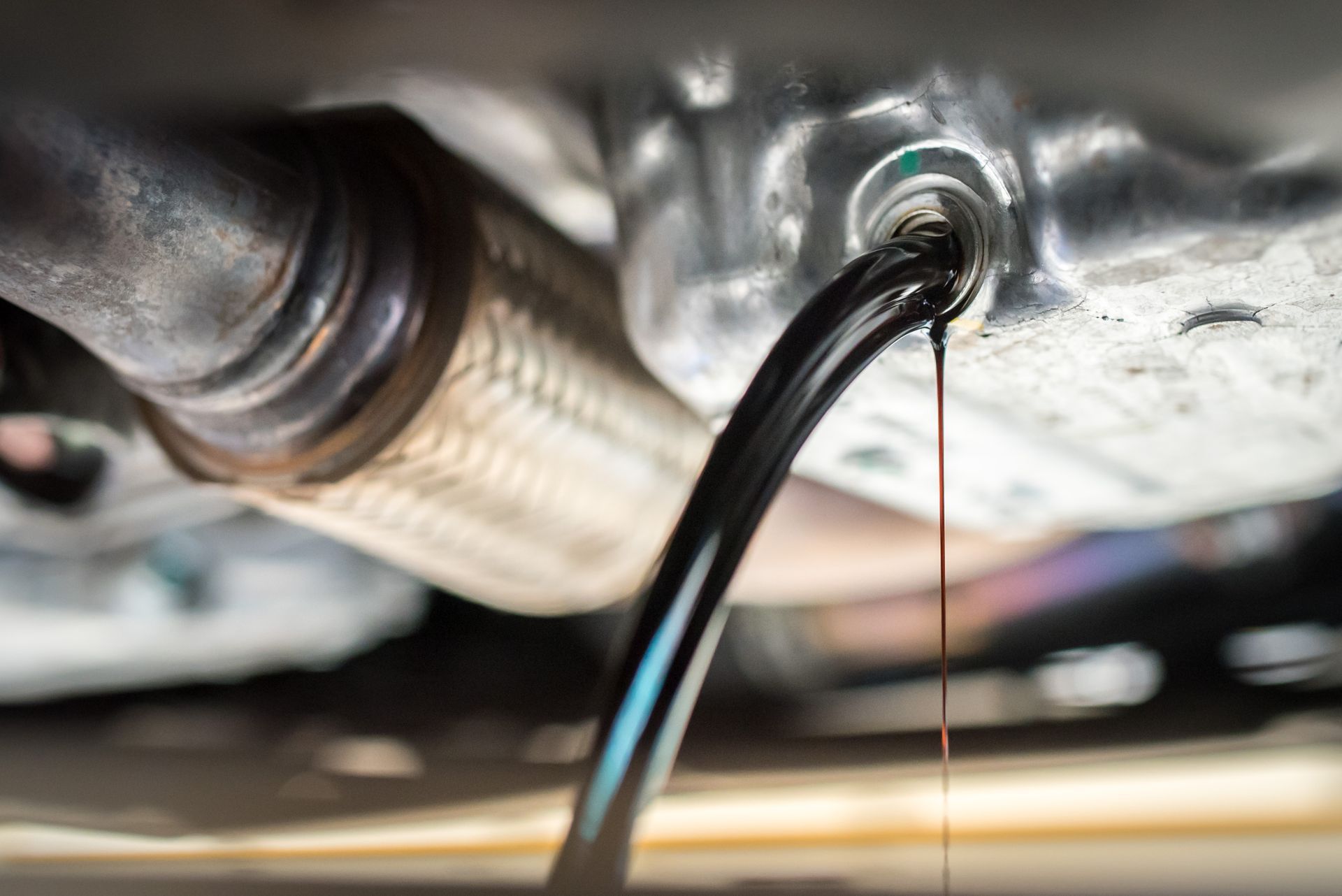
The drain plug seems like a minor part, but a mistake here can create a major problem. A plug that is overtightened can damage the threads in the oil pan. A plug that is too loose can allow oil to leak out. A damaged washer may also cause seepage after the service is complete.
We take the time to inspect the plug, sealing surface, and oil pan threads before putting everything back together. The goal is not just to finish quickly, but to make sure the engine still has all of its oil when you leave. The same care applies to the oil filter. A loose filter can leak, while an improperly installed gasket can allow oil to escape rapidly.
Quick Service Can Make It Easier To Miss Developing Problems
Speed is the main selling point of a quick lube, but rushing through maintenance creates a downside. When the entire process is built around getting the next car in as quickly as possible, there may be less opportunity to notice issues that require a closer look.
A technician at a full-service shop is already thinking about the whole vehicle. If we see a leak, strange tire wear, damaged hose, worn belt, or loose suspension part, we can take a closer look and explain what it means.
You do not necessarily need to repair everything immediately. The value comes from knowing what is happening so you can plan ahead instead of being surprised later.
Your Maintenance History Stays In One Place
Bringing your car to a regular repair shop also makes it easier to build a consistent maintenance history. We can keep track of when the oil was changed, what oil was used, which services were performed, and what items may be coming due. That history becomes especially useful as the vehicle ages.
If we notice the brakes are getting low during one visit, we can monitor them at the next service. If a small leak begins appearing, we can compare whether it is getting worse. If a fluid service is coming due, we can remind you before it becomes overdue. Consistent records also make it easier to understand what has already been done if a new problem develops.
The Cheapest Oil Change Is Not Always The Best Value
It is easy to compare oil changes by price alone, but value includes more than the amount on the receipt. A slightly cheaper service may not feel like a bargain if the wrong oil is used, a leak goes unnoticed, the filter is poor quality, or another maintenance issue is missed until it becomes an expensive repair.
A full-service shop may spend more time with the vehicle, but that time can provide useful information about the car’s overall condition. The goal is not to turn every oil change into a huge repair visit. It is to make sure a routine service actually contributes to the long-term health of the vehicle.
Your Oil Change Should Be Part Of A Bigger Maintenance Plan
Oil changes are among the most frequent services your car receives, which makes them a natural time to stay on top of everything else. A quick lube shop may be convenient, but speed should not be the only factor when choosing where to maintain your vehicle. The right oil, a quality filter, careful installation, routine inspections, and a consistent service history all add value that goes beyond simply replacing fluid.
If your vehicle is due for an oil change, bring it to Integrated Automotive Services in Easton, PA. We can change the oil and filter, inspect the major systems, check for leaks and wear, and help you stay ahead of upcoming maintenance.